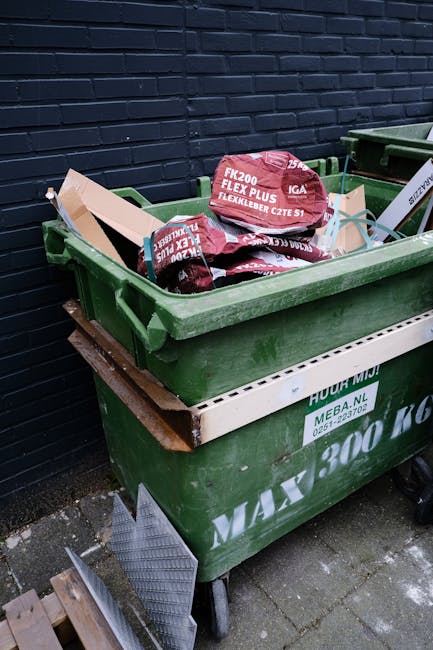
Arnos Grove skip alternative rubbish collection options

If you need to clear waste in Arnos Grove, a skip is not always the easiest answer. Parking can be awkward, permits can add hassle, and sometimes you simply do not have space for a large metal container sitting outside for days. That is where Arnos Grove skip alternative rubbish collection options come in. They can be quicker, more flexible, and better suited to everything from a one-room declutter to a full house or office clear-out.
In practice, people usually want one of three things: less disruption, clearer pricing, or a faster turnaround. Sometimes all three. This guide walks through how these alternatives work, who they suit, what to watch for, and how to choose the right service without overpaying or ending up with a half-finished job. Truth be told, most people just want the stuff gone without the drama. Fair enough.
You will also find a comparison of common collection methods, a practical checklist, and a realistic example of how a local clearance can run from start to finish.
Why Arnos Grove skip alternative rubbish collection options Matters
Skips have their place, no doubt about it. But they are not the only sensible way to deal with unwanted waste in Arnos Grove. In many residential streets around North London, the practicalities can get messy fast. A skip can block access, attract fly-tipping if left too long, and sometimes needs permission if it sits on the public highway. That alone pushes many people toward alternatives that are simpler and less intrusive.
Alternative rubbish collection options matter because they can match the job to the waste. If you have a few bulky items, a loft full of mixed household rubbish, or a garage that has quietly become a museum of old habits, a full skip may be excessive. On the other hand, if you need a team to do the lifting, a man-and-van style clearance can save hours of work. Different problem, different fix.
There is also the trust angle. People want to know where their waste goes, whether it will be sorted properly, and if the service is operating responsibly. That matters in any London area, but especially where streets are busy, parking is tight, and neighbours notice everything. You can hear a collection job before you see it; the clink of metal, the scrape of a sack, the quick back-and-forth of a team working efficiently. Done well, it feels almost invisible. Done badly, it becomes a headache.
If you are comparing local waste solutions, it helps to understand related services too. For example, a household declutter may need house clearance, while a garden job may be better handled through garden clearance. Those distinctions save time and prevent the classic mistake of booking the wrong type of collection.
How Arnos Grove skip alternative rubbish collection options Works
Most alternatives follow a simple pattern: you describe the waste, the provider estimates the load or visits to assess it, and the rubbish is collected directly from your property. That collection may happen by hand loading, bag loading, trolley loading, or a mixed method depending on the access and volume.
The biggest operational difference is that you do not need to fill a skip yourself. That sounds obvious, but it changes the whole experience. Instead of lifting heavy items over the side of a container, you can often point to what needs removing and let the team handle it. That is especially helpful if you are short on time, have stairs, or simply would rather not play amateur waste manager for the afternoon.
Typical alternatives include:
- Man and van rubbish removal for mixed loads and quick clearances.
- Rubbish removal bags for lighter home projects where a skip would be too much.
- Bulky item collection for sofas, mattresses, fridges, or one-off appliances.
- Room-by-room clearance for lofts, garages, flats, and offices.
- Specialist disposal for items that need careful handling, such as electricals or certain hazardous materials.
In many cases, the provider will separate recyclable materials from general waste after collection. That is one reason these services can suit smaller jobs so well. You only pay for the space and labour you use, not an oversized container. To be fair, that is often the whole appeal.
For larger clear-outs, an organised service such as waste removal can be a better fit than a traditional skip, especially if you want the site left tidy in one visit. If your job involves heavy household furniture, furniture clearance can be more practical than hiring a skip and lifting everything yourself.
Key Benefits and Practical Advantages
The main benefit is flexibility. That word gets used a lot, but here it actually means something useful. With alternative rubbish collection, you can choose a service that fits the shape of your job rather than forcing your job to fit the service.
Here are the advantages that tend to matter most:
- Less disruption: No large skip taking up space outside your property for days.
- Better for tight access: Useful for narrow roads, flats, or homes with limited driveway space.
- Faster turnaround: Many clearances can be completed in a single visit.
- Labour included: The team loads the waste, which saves your back and your weekend.
- More precise sizing: You avoid paying for empty skip space.
- Cleaner presentation: Especially helpful if neighbours, clients, or landlords will see the property.
There is a quieter benefit too: peace of mind. When you do not have to think about permits, filling deadlines, or whether the skip will be in the way of the bins, life gets simpler. And sometimes simple is exactly what you need.
For mixed domestic loads, it can help to understand how different services are designed. A flat clearance may suit a smaller property with stairs and limited outside space, while garage clearance is often the better match for bulky storage clutter. The right service often saves more than money; it saves effort, and that matters after a long day of sorting.
Who This Is For and When It Makes Sense
Alternative rubbish collection makes sense for a wide range of people, but it is especially useful if you recognise yourself in any of these situations:
- You live on a road with limited parking or narrow access.
- You are clearing a flat, maisonette, or property without a driveway.
- You have mixed household items rather than one clean stream of waste.
- You need help lifting heavy or awkward objects.
- You want the clearance done quickly, perhaps before a move, tenancy handover, or refurbishment.
- You are dealing with a smaller job where a skip would be overkill.
It also suits landlords, letting agents, office managers, and tradespeople who need the site cleared promptly. For business settings, a more tailored approach such as business waste removal or office clearance may be a more professional fit than a skip sitting outside the premises. Let's face it, nobody wants a building entrance turned into a temporary junk yard.
There are also cases where alternatives are better because the waste is specific. Old fridges, sofas, mattresses, and some appliances are easier to deal with through specialist collection routes. If you have one awkward item and a handful of smaller bits, a dedicated service can be far less fiddly than arranging a skip and then figuring out how to fill it safely.
For smaller domestic or mixed clearances, home clearance is often the broadest option, while loft clearance is more suitable when the real problem is hidden storage rather than everyday rubbish.
Step-by-Step Guidance
If you are trying to work out the best approach, follow this straightforward process.
- List what needs removing. Be specific. Old furniture, garden cuttings, cardboard, broken appliances, bagged waste, and electrical items all affect the plan.
- Separate special items. Put aside anything hazardous, confidential, or unusually heavy so it can be handled correctly.
- Check access. Note stairs, narrow hallways, parking restrictions, and whether the team can park close by.
- Estimate volume honestly. A small pile can grow into a van-full if you are not careful. We have all seen it happen.
- Ask how the waste is sorted. Reuse, recycling, and disposal should be explained clearly.
- Request a written quote. Make sure it covers labour, loading, travel, and any disposal or minimum charges.
- Prepare the area. Move anything you are keeping out of the way so the clearance is fast and tidy.
- Confirm timing. A clear arrival window is helpful, especially if you are fitting the job around work or school runs.
If the job is primarily domestic and full of mixed items, a team handling house clearance can often complete the whole process more smoothly than a skip hire option. If the waste is mostly old household items, furniture disposal may be enough on its own.
A useful rule of thumb: if you are thinking, "I probably need help carrying this," you probably do. That one thought saves a surprising amount of strain.
Expert Tips for Better Results
There are a few small choices that make a big difference to the final result.
First, sort by category before the team arrives. It is faster to remove clearly grouped waste than to stand there making decisions item by item. One pile for metal, one for furniture, one for general junk. Very satisfying, actually.
Second, keep a separate box for reusable items. Many people forget this step. A lamp, a table, or even a decent chair may still have life left in it. If you spot something useful on the floor, under the stairs, or at the back of the shed, set it aside before the removal starts.
Third, take photos for larger jobs. This helps with quoting and avoids surprises. A quick picture of the loft hatch, the garage corner, or the garden pile can tell a provider more than a paragraph of explanation.
Fourth, be honest about awkward access. If the team has to carry items down three flights of stairs, say so. Hidden access problems are what turn a tidy quote into an irritated morning.
Fifth, ask about recycling and sorting. A good provider should be able to explain what happens to the waste after collection. You do not need a lecture, just a clear answer.
For certain items, specialist services are worth using. If you have white goods, fridge and appliance removal is the cleaner route. If your clearance includes a lot of soft furnishings, mattress and sofa disposal can prevent a lot of stress and heavy lifting.
And one more thing: do not leave everything until the last minute if you can avoid it. The afternoon before a move is always more chaotic than you expect. Always.
Common Mistakes to Avoid
The most common mistakes are usually simple ones, but they can be costly or annoying.
- Choosing the wrong service for the waste: A general rubbish pickup is not always right for bulky furniture or a whole-property clearance.
- Underestimating volume: Small jobs can become large once bags are opened and cupboards are emptied.
- Ignoring access issues: Tight stairwells, parking restrictions, and long carrying distances all affect timing and cost.
- Not asking what is excluded: Some waste types need specialist handling.
- Using the cheapest quote without checking scope: The lowest price is not much help if it does not include loading, disposal, or VAT where applicable.
- Leaving sorting until collection day: That is when things get slow and frustrating.
One quiet mistake people make is assuming every clearance team works the same way. They do not. Some are set up for quick domestic clear-outs. Others are better for business premises or larger, more repetitive waste streams. Choose the one that fits the job, not the one with the flashiest pitch.
If you want to avoid awkward pricing surprises, it helps to review a provider's approach to transparent estimates. A page like pricing and quotes should give you a sense of how the service is structured before you book.
Tools, Resources and Recommendations
You do not need fancy equipment to prepare for an alternative rubbish collection, but a few simple tools make life easier.
- Heavy-duty bin bags: Good for bagged clutter, soft waste, and general tidying before collection.
- Marker pen and labels: Useful for marking keep, donate, recycle, and remove piles.
- Sturdy gloves: Worth using if you are sorting through dusty lofts or garage boxes.
- Tape measure: Handy for checking whether large items can fit through doors or stair turns.
- Phone camera: Great for quick photos of the waste pile and access points.
- Box or crate for paperwork: Especially useful if you are clearing an office or home office.
On the service side, a few website pages can help you compare the right kind of support. If you are unsure how a provider handles responsibility and safeguarding, review insurance and safety and health and safety policy. If you are handling sensitive paperwork, confidential shredding may be worth adding to the job rather than dealing with it separately later.
For people who like to understand what can and cannot be taken away in a single load, what can go in a skip is still a useful reference even if you are not hiring a skip. The restrictions and exclusions often overlap with other waste services, so it is a good reality check.
Law, Compliance, Standards, or Best Practice
Waste collection in the UK should always be handled responsibly. You do not need to memorise regulations to book a clearance, but you should expect the service provider to dispose of waste through legitimate routes and to behave safely on site.
Good practice usually includes:
- clear pricing before the job starts, where possible
- careful handling of items that could cause injury or damage
- sorting for reuse and recycling where practical
- separate handling for hazardous or specialist waste
- respect for access, neighbours, and shared spaces
If a job includes items such as chemicals, asbestos, clinical waste, or anything else that requires specialist control, do not assume a standard removal team can take it. Ask first. If the answer is vague, that is your cue to slow down. Better a short delay than a compliance problem later.
Business customers should also pay attention to documentation, insurance, and the provider's operating standards. A reputable service should be able to explain how waste is managed and what happens if access, volume, or item type changes on the day. That kind of clarity is boring in the best possible way.
If you want a broader sense of the company's values and operating approach, about us can be helpful, and policies like recycling and sustainability show how the provider thinks about responsible disposal.
Options, Methods, or Comparison Table
Choosing between skip hire and alternative rubbish collection is usually easier when you compare the jobs side by side.
| Option | Best for | Main advantage | Possible downside |
|---|---|---|---|
| Skip hire | Large volumes, ongoing renovation waste | Can hold a lot of material at once | Needs space, may need a permit, loading is DIY |
| Man and van clearance | Mixed household or office waste | Fast, flexible, labour included | May be less suitable for very large construction loads |
| Rubbish removal bags | Smaller home projects and declutters | Low disruption, easy to store before collection | Not ideal for very heavy or bulky items |
| Bulky item disposal | Sofas, mattresses, appliances | Simple for one-off awkward items | Less efficient for bigger mixed clearances |
| Specialist clearance | Lofts, garages, offices, hoarded rooms | Tailored to the space and waste type | May cost more if the job is highly labour intensive |
The right option depends on three things: volume, access, and the type of waste. If those three line up neatly, you will usually save time and avoid extra cost. If they do not, a tailored collection service is normally the safer bet.
For instance, a renovation job might still need builders waste clearance, while a domestic clear-out with old chairs and tables may be better handled through furniture clearance. Different load, different method. Simple, but easy to miss when you are in a rush.
Case Study or Real-World Example
Imagine a typical Arnos Grove terrace house with a narrow front path, a packed loft, and a garage that has become a storage overflow zone. There are old boxes, a broken chest of drawers, a mattress, several bagged items, and a fridge that no longer works. A skip would technically handle some of it, but access is tight and there is nowhere sensible to leave a large container without causing inconvenience.
In that scenario, a direct rubbish collection makes more sense. The team arrives, assesses the load, and removes the items in stages. The heavy appliance is handled separately, the mattress goes with the soft furnishings, and the rest is sorted into general waste and recyclable material where possible. The property is cleared faster than if the homeowner had tried to drag everything into a skip one bag at a time. And the stairs stay intact, which is always a nice bonus.
A real advantage in this kind of job is momentum. Once the first few items are out, people often realise how much easier the rest becomes. There is usually a moment where the room changes shape in front of your eyes. You can almost feel the air moving again, which sounds dramatic, but anyone who has cleared a packed loft knows what I mean.
For similar situations, a combination of loft clearance, garage clearance, and fridge and appliance removal can be a far better fit than a one-size-fits-all skip.
Practical Checklist
Use this checklist before booking an alternative rubbish collection in Arnos Grove:
- Identify the exact waste types you need removed.
- Separate any items that may need specialist handling.
- Estimate the number of bags, boxes, or large items.
- Check for stairs, parking limits, and narrow access.
- Take photos of the pile and the access route if helpful.
- Decide what should be kept, donated, recycled, or removed.
- Ask for a clear quote and what it includes.
- Confirm whether labour, loading, and disposal are included.
- Ask how the waste will be sorted after collection.
- Choose a time slot that gives you room to prepare properly.
Quick reminder: if you are still hesitating because the job feels too small for a skip but too big to do alone, that is exactly the sort of job these services are meant for.
Conclusion
Arnos Grove skip alternative rubbish collection options are often the smarter choice when space is tight, the job is mixed, or you want a faster and less disruptive clearance. They work especially well for homes, flats, garages, lofts, offices, and one-off bulky items where a skip would add more hassle than it solves.
The key is to match the service to the waste. Do that, and you get a cleaner property, less lifting, fewer surprises, and a process that feels manageable instead of overwhelming. That is what most people really want at the end of the day. Not a complicated waste plan. Just a clear space and a bit of breathing room.
Get a free quote today and see how much you can save.
If you are ready to compare your options, start with the type of waste, the access around your property, and whether you need labour included. A quick decision now can save a lot of faff later, and honestly, that is a pretty good trade.
Frequently Asked Questions
What is the best alternative to a skip in Arnos Grove?
The best alternative depends on the waste type. For mixed household items, a man-and-van clearance is often the most flexible choice. For a single bulky item, a specialist disposal service may be simpler.
Are skip alternatives cheaper than hiring a skip?
Sometimes, yes. Smaller clearances can be cheaper because you only pay for the labour and space you actually use. For very large loads, a skip may still be more cost-effective, so it depends on the job.
Do I need to load the waste myself?
Usually no. One of the main benefits of these services is that the team does the lifting and loading for you. That is a big reason people choose them over skips.
Can alternative rubbish collection handle furniture and appliances?
Yes, many services can handle sofas, tables, mattresses, fridges, and other appliances. Some items may need specialist handling, so it is best to mention them when you request a quote.
Is it suitable for flats and properties with no driveway?
Very often, yes. In fact, alternatives are usually better for flats, maisonettes, and homes with limited outside space because they do not need a skip parked outside for days.
How fast can rubbish be collected?
That varies by provider and job size, but these services are often chosen because they can be arranged quickly. For urgent clearances, ask about same-day or next-day availability if offered.
What happens to the waste after collection?
Good providers sort waste for reuse, recycling, and responsible disposal where possible. It is sensible to ask how they handle different materials before booking.
Can I use a skip alternative for garden waste?
Yes. Garden cuttings, branches, and general outdoor clutter are commonly removed this way. For bigger outdoor clearances, a dedicated garden service can be more efficient.
What should I do with confidential paperwork?
Keep it separate and ask about confidential shredding or secure disposal. Do not leave paperwork mixed in with general waste if it contains personal or business information.
Are there waste types that need special care?
Yes. Hazardous materials, chemicals, and certain electrical or contaminated items may require specialist handling. Always disclose these in advance so the provider can advise properly.
How do I avoid hidden charges?
Ask for a clear written quote, confirm what is included, and mention access issues, item types, and expected volume upfront. A transparent quote is usually the best protection against surprises.
What is the easiest way to prepare for collection day?
Group waste by type, clear a path to the items, move anything you want to keep, and take a few photos if the job is larger. A bit of prep saves a lot of time on the day.