Southgate rubbish removal guide for Chase Side homes
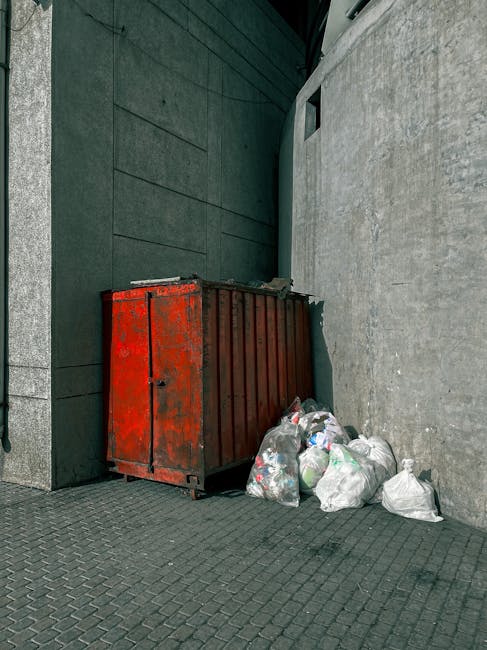
If you live in Chase Side and the rubbish is starting to take over the hallway, the shed, or that one spare room you keep promising to sort out, you are not alone. This Southgate rubbish removal guide for Chase Side homes is here to make the whole process feel a lot less awkward, a lot less time-consuming, and, frankly, a bit more manageable.
Home clearances in this part of Southgate can be straightforward when you know what to expect. But if you have bulky furniture, garden waste, old appliances, loft clutter, or a pile of mixed junk after a DIY weekend, the details matter. How much can be taken away? What should be separated? What is worth booking, and what is better handled another way? Let's walk through it properly, without the fluff.
Along the way, we will cover the practical side of rubbish removal for Chase Side homes, the situations where it makes sense to use a professional service, the mistakes people commonly make, and the best way to prepare so the job is smooth on the day. A tidy home is nice. A tidy home without the stress is better.
Why Southgate rubbish removal guide for Chase Side homes matters
Chase Side homes come in all shapes and sizes: family houses with full lofts, terraces with narrow access, flats with limited storage, and older properties where the garage seems to have become a catch-all. That variety is exactly why a one-size-fits-all rubbish removal approach rarely works.
The real issue is not just getting rid of waste. It is getting it out efficiently, safely, and in a way that fits the property. A sofa that looks simple in the front room can be a genuine headache on a narrow staircase. A pile of garden cuttings may seem harmless until the bags split halfway down the path. And anyone who has tried to shift a broken wardrobe without measuring the doorway knows the feeling. Slightly embarrassing. Very real.
This matters because waste left too long can make a home feel cramped, affect day-to-day use of rooms, and turn simple jobs into bigger ones. It also matters for neighbours and shared spaces. In residential streets, keeping access clear and avoiding overfilled front gardens or pavements is part of being considerate, not just efficient.
Expert takeaway: the best rubbish removal plan for a Chase Side home is rarely the fastest-looking one. It is the one that matches the type of waste, the access at the property, and how much time you actually want to spend sorting, lifting, and disposing of it.
For many households, the process becomes much easier when you match the job to the right service. If you are clearing a whole property or a large section of it, options such as home clearance or house clearance can be more practical than trying to piece everything together yourself. If you only have a few items, a smaller collection may be enough. Simple, but not always obvious.
How Southgate rubbish removal guide for Chase Side homes works
In practical terms, rubbish removal for a Chase Side home usually follows a fairly simple path: identify the waste, decide what needs to go, arrange collection, and prepare the items so they can be removed quickly. The exact process depends on whether you are dealing with general household rubbish, furniture, appliances, garden waste, builders' debris, or a mix of everything.
Most people find the process easiest when they start by separating waste into clear categories. That does not mean doing a full amateur recycling audit in your kitchen. It just means splitting out the obvious groups: furniture, electricals, garden cuttings, bags of general rubbish, and anything that needs special handling.
In a typical home clearance scenario, the team arrives, assesses the access, checks what is being removed, and then gets to work. The smoother the access, the quicker the job. Hallway clear? Great. Lift booked? Even better. Gate unlocked, dogs out of the way, path clear of bikes, prams, and the mysterious broken plant pot from 2019? Even better still.
If you are disposing of bulky household items, pages like furniture clearance and mattress and sofa disposal are especially relevant. For broken fridges, freezers, or other awkward appliances, fridge and appliance removal is a more appropriate route. That distinction matters more than people think.
When the waste is mixed or unusually heavy, a professional waste removal visit can save a huge amount of lifting and re-checking. It also helps reduce the chance of an item being left behind because nobody quite knew where it should go. Happens all the time. Very normal.
Key benefits and practical advantages
The biggest benefit is obvious: less clutter. But the real advantages go beyond having a clearer room at the end of the day.
- Time saved: no repeated trips to a tip or recycling point.
- Less physical strain: useful if the waste includes heavy, awkward, or sharp items.
- Faster property turnaround: helpful before decorating, moving house, renting out a room, or selling a home.
- Better sorting: recyclable items, reusable items, and special waste can be separated properly.
- Cleaner presentation: especially important if you are preparing a home for visitors, buyers, tenants, or family.
- Reduced stress: because a half-finished pile of rubbish has a way of staring at you from the corner of the room.
There is also the practical matter of scale. If your garage, loft, or spare room has become a storage zone for items you no longer want, it is often easier to clear it in one organised visit than to chip away at it over weeks. That is where services like garage clearance and loft clearance become genuinely useful.
And yes, sometimes a small job stays a small job. But once you start pulling bags, boxes, and old furniture apart, it can quickly become the kind of afternoon that eats your entire weekend. Better to be honest with yourself early.
Who this is for and when it makes sense
This guide is for Chase Side homeowners, landlords, tenants, and anyone responsible for clearing residential waste in Southgate. It is especially useful if you are trying to decide whether to manage the job yourself or hand it over to a professional team.
It usually makes sense to book help when:
- you have bulky furniture or multiple large items;
- the waste is spread across different rooms or storage areas;
- access is awkward and lifting will be difficult;
- you are working to a deadline, such as a move, sale, or renovation;
- there is garden waste, builders' waste, or mixed rubbish to sort;
- you want the job done with minimal disruption.
It may be enough to handle things yourself if you only have a couple of bags, a few small household items, or lightweight waste that you can move safely. But if you are looking at a battered sofa, a sagging mattress, an old fridge, and a pile of offcuts from a weekend project, it is probably not a "quick DIY afternoon" anymore. Truth be told, it seldom is.
Local households also tend to benefit from a service that understands residential access. Narrow driveways, shared entrances, parking considerations, and neighbours who do not want waste blocking the pavement all shape the job. A good clearance plan accounts for that from the start.
Step-by-step guidance
Here is the simplest way to approach rubbish removal at a Chase Side home without making it a saga.
- Walk through the property. Check every room, loft, shed, garden corner, and garage. Write down what needs to go.
- Group the items. Separate general rubbish, furniture, appliances, garden waste, and anything potentially hazardous.
- Measure bulky pieces. Doors, stairwells, and tight corners matter more than people expect.
- Decide what can be reused or donated. If an item still has life in it, do not treat it as waste too quickly.
- Check for special handling needs. Fridges, freezers, chemicals, paint, and certain electricals should not be handled casually.
- Choose the right service. General waste removal, house clearance, builders' waste clearance, or one of the more targeted options may be the best fit.
- Prepare the access. Move cars if needed, open gates, clear the route, and make sure the collection team can work without obstruction.
- Confirm the plan. Before collection, make sure everyone is clear on what is staying and what is leaving. A quick double-check saves awkward moments later.
If your project includes leftover rubble, tiles, timber, plasterboard, or heavy renovation debris, a service like builders' waste clearance is usually the better choice than a general collection. For household clutter, a general waste removal service may be enough. Matching the job properly makes all the difference.
A small but important tip: take a photo of the waste before you arrange collection. It helps you remember the scale of the job when your living room starts feeling manageable again and you think, "Was it really that much?" Yes. Yes, it was.
Expert tips for better results
After enough clearances, certain habits stand out as consistently helpful.
- Start with the hardest item first. If there is a big sofa or heavy appliance involved, plan around that rather than leaving it until the end.
- Keep loose waste bagged. Small items look harmless until they scatter down stairs or into the garden path.
- Do not mix special waste with general rubbish. It slows everything down and can create avoidable problems.
- Protect floors and walls. Old hallways, narrow stairs, and freshly painted skirting boards do not always get along.
- Clear the parking or loading space. If access is easier, the whole visit tends to run more smoothly.
- Use one staging area. Put everything that is leaving in one place so nothing gets missed.
If you are clearing a room that has been used for years as storage, take your time with the sorting. A box of "maybe useful" items can hide cords, chargers, manuals, and half the contents of your kitchen drawer. Slightly annoying, but also strangely familiar.
Where sustainability matters to you, look for services that prioritise reuse and responsible disposal. Reading about recycling and sustainability can help you understand how different types of waste are typically handled and why sorting before collection is worth the effort.
Common mistakes to avoid
Most rubbish removal mistakes are not dramatic. They are small, practical slips that turn a straightforward job into a frustrating one.
- Underestimating volume: what looks like "a few items" can become a full load once everything is gathered together.
- Leaving sorting until collection day: that is when people start panicking about what goes where.
- Forgetting access issues: tight staircases, low branches, locked gates, and blocked drives can all slow things down.
- Ignoring special items: fridges, mattresses, and hazardous waste should not be lumped in with everything else.
- Not checking the final pile: it is surprisingly easy to accidentally include something you meant to keep.
- Choosing the wrong method: a skip is not always best, and a standard collection is not always enough either.
One of the most common issues in homes around Chase Side is timing. People start with the intention of clearing the place "this weekend", then realise they need bags, gloves, lifting help, parking space, and a plan for the awkward bits. That is normal. It is just better to spot it early.
If you want a simple reference point for loading and waste categories, the page on what can go in a skip can help you think through what belongs together and what does not. Even if you are not hiring a skip, the logic is useful.
Tools, resources and recommendations
You do not need a warehouse of equipment to organise rubbish removal well. A few simple tools can make the job far smoother.
- Heavy-duty bin bags: for loose rubbish, textiles, and smaller mixed waste.
- Work gloves: especially for sharp, dusty, or awkward items.
- Dust sheets or cardboard: useful for protecting floors and hallways.
- Tape and labels: helpful if you are sorting keep, donate, and remove piles.
- Measuring tape: essential for larger items, especially sofas and wardrobes.
- Basic torch: ideal for lofts, garages, and under-stair spaces where the light is poor.
For certain household categories, it helps to use more specific services rather than bundling everything into one vague pile. Furniture disposal is a good fit for worn-out chairs, cabinets, and tables. Garden clearance is more suitable for branches, hedge trimmings, and seasonal outdoor waste. And if paperwork, filing cabinets, or old records are part of the job, confidential shredding may be relevant too.
One practical recommendation: keep a simple room-by-room list before collection day. It sounds basic, but it prevents the classic problem where the biggest item gets removed and nobody remembers the three bags tucked behind the boiler. Happens more than you think.
Law, compliance, standards, and best practice
For householders, the main thing is to use a responsible service and avoid dumping waste in a way that creates risk or nuisance. You do not need to memorise every rule, but you should understand the basics.
In the UK, waste should be handled by people who know how to dispose of it properly and who can deal with different categories of material responsibly. If an item is hazardous, electrical, contaminated, or otherwise difficult to dispose of, it should be separated and treated with extra care. That is not bureaucracy for its own sake; it is common-sense safety.
Good practice usually includes:
- separating hazardous items from general household rubbish;
- not leaving waste on pavements, shared land, or front gardens longer than necessary;
- keeping pathways clear during collection;
- avoiding manual handling that could cause injury;
- using a provider with clear terms, payment, and safety information.
Where electricals are involved, and especially for appliances that need special removal, it is sensible to use a service that understands the category rather than guessing. That is why pages like fridge and appliance removal and hazardous waste disposal matter. The point is not to make the process complicated; it is to keep it safe and sensible.
You should also look for clear information about insurance and safety, along with health and safety policy details and payment and security information. These are not flashy pages, but they tell you a lot about how a business operates. Quietly important, really.
Options, methods, and comparison table
There is more than one way to clear rubbish from a Chase Side home, and the best choice depends on what you have, how quickly it needs to go, and how much lifting you are willing to do yourself.
| Method | Best for | Pros | Things to watch |
|---|---|---|---|
| DIY trips | Small volumes of lightweight waste | Low cost if you already have transport | Time-consuming, repeated loading, possible strain |
| Skip hire | Longer projects with steady waste output | Useful for ongoing renovation or garden work | Needs space, loading effort, and planning |
| Man-and-van style rubbish removal | Mixed household waste, bulky items, quick clearances | Fast, flexible, less lifting for you | Best when access and item list are clear in advance |
| Specialist disposal | Appliances, hazardous waste, mattresses, sofas | Better suited to awkward or regulated items | Needs correct item type and sometimes separate handling |
For many Chase Side homes, a collection-based service is the sweet spot. It avoids a skip sitting outside for days, reduces the amount of manual sorting you have to do, and works well when the clutter is a mix of items from different parts of the home. If you are clearing a flat rather than a house, flat clearance can be the better fit because access and shared-space considerations are different.
There is no single perfect method. The right one is the one that fits your space, your waste type, and your patience level. And let's be honest, that last one matters more than people admit.
Case study or real-world example
Picture a typical Chase Side home after a few years of "we will deal with that later." The loft has old boxes, broken ornaments, and a couple of worn suitcases. The garage contains a sofa, garden tools, and leftover bits from a DIY project. In the kitchen, a heavy appliance has stopped working. The household wants the property cleared before redecorating, but they also want to avoid a full weekend of lifting and sorting.
The sensible approach is to group the waste by type first, keep anything reusable aside, and arrange a combined collection with the right service mix. Furniture and bulky household items can be dealt with through furniture clearance, the appliance through fridge and appliance removal, and the loft clutter through loft clearance.
In a real home, that kind of structure saves time because the crew can remove everything in a logical order instead of stopping every few minutes to ask where each item belongs. The homeowner does less lifting, the property is cleared faster, and there is less chance of missed waste sitting behind a door frame or under a tarpaulin in the garden. No drama. Just a clean finish.
That sort of clear-out also makes follow-up work easier. Once the waste is gone, decorating feels easier to start, the rooms look bigger, and the house breathes a bit again. Simple, but nice.
Practical checklist
Use this before your rubbish removal booking or DIY clear-out.
- Identify every item you want removed.
- Separate general rubbish, furniture, appliances, garden waste, and special items.
- Measure large pieces for doors, stairs, and access routes.
- Check whether anything should be reused, donated, or kept.
- Move cars, bins, bikes, and obstacles out of the way.
- Make sure gates, side passages, and communal access points are open and safe.
- Keep hazardous items apart from normal household waste.
- Protect floors and walls if items are being carried through the property.
- Confirm the final list before collection day.
- Have a clear plan for any items that require specialist handling.
If you want to see the practical side of booking, take a look at pricing and quotes and, when you are ready, book online. Those pages are useful for understanding the next step without overcomplicating it. The main thing is to start with clarity.
Conclusion
For Chase Side homes, rubbish removal works best when it is treated as a practical household project rather than a last-minute panic. Once you understand the type of waste you have, how much access the property gives you, and whether any items need special handling, the whole task becomes much easier to manage.
The real value of a good Southgate rubbish removal plan is not just that the rubbish disappears. It is that the home feels usable again. A loft becomes storage instead of chaos. A garage becomes a garage again. A front room stops holding three generations of maybe-useful stuff. That sort of reset has a way of lifting the mood, honestly.
For deeper background on the company itself, you can also visit about us and modern slavery statement, which help build a clearer picture of the standards behind the service. And if you need clarification on policies or practical concerns, the pages on terms and conditions and complaints procedure are there for a reason.
Get a free quote today and see how much you can save.
Sometimes the best thing you can do for a cluttered house is simply make the first sensible move. The rest tends to fall into place.
Frequently Asked Questions
What is the easiest way to arrange rubbish removal for a Chase Side home?
The easiest approach is to group your waste first, decide what needs specialist handling, and then choose the most suitable collection option. If the job includes bulky furniture or mixed household items, a service such as home clearance or general waste removal is usually more practical than trying to shift everything yourself.
Can I mix furniture, garden waste, and general rubbish together?
Sometimes yes, but it depends on the service and the type of items involved. It is usually better to separate obvious categories in advance because it helps the collection run faster and reduces confusion. If you have a mix of garden cuttings and old furniture, it is worth checking which service best fits the load.
What should I do with old sofas and mattresses?
Old sofas and mattresses are best treated as bulky items rather than ordinary rubbish. Specialist pages like mattress and sofa disposal and furniture clearance are the right starting point because these items can be awkward to move and may need separate handling.
Do I need a specialist service for appliances like fridges or freezers?
Yes, that is usually the sensible option. Fridges and freezers are not the same as standard household rubbish, so appliance-specific removal is the better fit. It keeps the process safer and more organised, especially if the appliance is heavy or still contains parts that need careful handling.
Is a skip better than a rubbish removal collection?
It depends on the job. A skip can work well for long projects with steady waste output, while a collection service is often better for bulky household clutter or mixed waste that you want removed quickly. If your access is awkward, a collection may be easier.
How do I prepare my property before collection day?
Clear the access route, move cars if needed, separate the items, and make sure everyone in the household knows what is being taken. A little preparation makes a huge difference. You really feel it on the day.
What happens if I have hazardous waste?
Hazardous waste should always be separated and handled carefully. Do not mix it with normal household rubbish. If you are unsure whether something counts as hazardous, it is better to ask in advance than to guess. Safety comes first, no question.
Can rubbish removal help if I am clearing a property before moving out?
Absolutely. Moving often exposes how much is stored in the corners, loft, and garage. A structured clearance can make a property easier to hand over and may save you from last-minute stress. It is one of those jobs that feels twice as big once the packing starts.
How do I know whether I need house clearance or home clearance?
In practice, the right choice depends on the scale of the job. House clearance tends to suit larger or more comprehensive clear-outs, while home clearance can be a good fit for broader household decluttering. If you are not sure, think about how many rooms are involved and how much needs to go.
Are there any safety issues I should think about before lifting waste myself?
Yes. Heavy, sharp, dusty, or awkward items can cause injury if lifted badly. Narrow stairs and poor lighting make things trickier. If there is any doubt, using a professional removal service is often the safer and simpler decision.
What if I am only clearing one room, like a loft or garage?
That is very common. Loft clearance and garage clearance are both typical jobs for homeowners who want to reclaim space without taking on the whole house. Even one room can become a big improvement when it is finally sorted out.
How can I be sure the service is a good fit for my home?
Look for clear information on what they remove, how they handle special waste, and how they manage safety, insurance, and payment. You should feel confident that the job is understood before anyone arrives. If the quote and the process feel clear, that is usually a good sign.