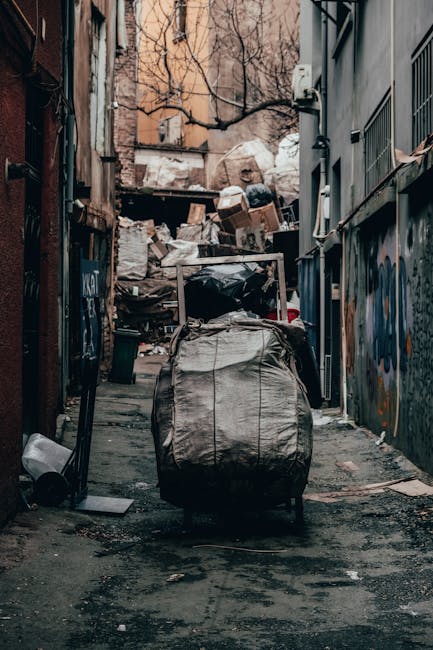
What to know about rubbish clearance in N14 postcode
If you are trying to get rid of unwanted items in N14, you probably want a service that is quick, tidy, and not a headache. That is the heart of what to know about rubbish clearance in N14 postcode: how the process works, what can be collected, what to watch out for, and how to choose a clearance option that actually fits your property, your schedule, and your budget. Whether you are clearing a flat in Southgate, tidying a family home near Arnos Grove, or sorting out a shop unit after a refit, the basics are similar - but the details matter, a lot.
In practice, rubbish clearance is rarely just "take the stuff away." There is lifting, sorting, loading, disposal, and often recycling too. And to be fair, the difference between a smooth job and a messy one is usually in the planning. This guide walks you through the essentials in plain English, with practical points you can use straight away.
Why rubbish clearance in N14 matters
N14 covers a busy part of north London, so space is often at a premium. Front gardens can be narrow, parking can be tight, and many homes and businesses are dealing with the usual London mix of old furniture, renovation waste, box clutter, garden cuttings, and the odd broken appliance that has been "waiting for the right weekend" for months. Sound familiar?
That is why rubbish clearance matters here more than people first think. It is not just about making a room look better. It affects safety, access, property value, landlord handovers, office operations, and even neighbour relations. A pile of waste outside a property can quickly become a nuisance, especially if it blocks pavements, attracts unwanted attention, or sits around too long.
There is also the simple fact that different types of waste need different handling. General household junk is one thing. Builders' rubble is another. Old fridges, mattresses, and anything potentially hazardous need more care. If you are unsure, it is worth checking a suitable service such as professional waste removal or a more specific option like house clearance or office clearance depending on the job.
Practical takeaway: in N14, rubbish clearance is as much about access, timing, and responsible disposal as it is about getting rid of clutter.
How rubbish clearance works
The process is usually straightforward, but a good provider will still ask the right questions before arriving. That might include what you want removed, how much there is, whether items are upstairs or in a loft, and whether anything needs special handling. In a terrace house or a flat with shared access, those details can change the whole plan.
Most clearances follow a simple flow:
- You describe the waste - photos help, but a clear list is even better for mixed loads.
- A quote or estimate is prepared - usually based on volume, item type, and labour involved.
- The team arrives and assesses access - for example, stairs, narrow hallways, lift access, parking, and loading distance.
- Items are removed and sorted - reusable, recyclable, and disposal-bound materials may be separated.
- Waste is taken to the appropriate facility - that is the part most people do not see, but it matters most.
If the waste includes bulky items, you may need a service that is set up for particular materials. For example, old sofas, mattresses, or white goods are usually easier to deal with through dedicated clearance options such as mattress and sofa disposal or fridge and appliance removal. That keeps the job efficient and reduces the risk of things being handled badly.
One small but important detail: good rubbish clearance is not just fast. It is organised. The best jobs feel almost anticlimactic. Bagged, swept, gone. Lovely, really.
Key benefits and practical advantages
People usually start with rubbish clearance because they need space, but the benefits go beyond that. A clean-out can change how a property feels and how it functions. You notice it when you walk in the room and your shoulders drop a little. Less friction. Less clutter. Fewer things in the way.
- Faster recovery of usable space - especially helpful before a move, refurbishment, or tenancy change.
- Less physical strain - no need to wrestle a heavy wardrobe down the stairs on your own.
- Cleaner, safer access - hallways, garages, lofts, and gardens become usable again.
- More responsible disposal - professional handlers should separate recyclable materials and route waste properly.
- Better presentation - useful if you are selling, letting, or preparing a property for viewings.
- Less disruption - a planned clearance is usually easier than multiple car loads and several trips to a disposal site.
There is also the hidden advantage of decision relief. A room full of mixed rubbish can be oddly draining. Once it is dealt with, you can think clearly again. That sounds a bit dramatic, maybe, but anyone who has cleared a loft at 8:30 on a Saturday morning knows the feeling.
For larger projects, it can also make sense to explore related services like home clearance, garage clearance, or loft clearance so the job is matched to the actual space and waste type.
Who this is for and when it makes sense
Rubbish clearance in N14 suits more people than you might expect. It is not just for big clear-outs. Sometimes it is the practical answer to one awkward pile that has become impossible to ignore.
This is often the right option for:
- Homeowners clearing clutter, furniture, or leftover junk after redecorating
- Tenants or landlords preparing a property between lets
- Families dealing with a loft, garage, or shed that has filled up over the years
- Businesses removing office waste, packaging, desks, or obsolete equipment
- Tradespeople needing builders' waste moved after a renovation or repair job
- Anyone who cannot, or should not, lift bulky waste themselves
It also makes sense when your waste is awkward rather than huge. A few old appliances, a mattress, broken shelving, and mixed bagged rubbish can be more annoying than a single pile of one type of material. In those cases, a flexible service is usually easier than booking multiple separate collections.
If the items are mainly furniture, a service like furniture clearance or furniture disposal may be the cleaner fit. If it is waste from a workspace, look at business waste removal. Matching the service to the job saves hassle later.
Step-by-step guidance
Here is the simplest way to approach rubbish clearance without overthinking it. You do not need a perfect plan. Just a decent one.
- Sort the waste into rough groups. Keep general rubbish, furniture, appliances, garden waste, and building debris separate if you can.
- Identify anything sensitive or restricted. Chemicals, paints, gas bottles, or other special items should never be lumped in casually.
- Take quick photos. Good photos make quoting easier and reduce awkward surprises on arrival.
- Check access. Measure narrow doorways, note stairs, and think about parking. In N14, this can save a lot of time.
- Ask what is included. Removal, lifting, loading, recycling, sweep-up, and disposal should all be clear from the start.
- Choose a suitable service. For example, builders' waste may need builders waste clearance, while a whole-house job may be better handled through house clearance.
- Prepare the area. Put aside items you are keeping, unlock gates, and clear the path if possible.
- Stay available for questions. A quick answer at the door can prevent delays. It really can.
If you are dealing with a mixed property clean-up, start with the largest or most awkward items first. That gives you clarity quickly, which is surprisingly motivating. One cleared corner often leads to three more. Funny how that works.
Expert tips for better results
After plenty of real-world clearances, a few patterns show up again and again. The smoother jobs tend to have the same habits.
- Photograph waste in good light. A daylight photo near a window tells a clearer story than a blurry hallway picture.
- Be precise about access. "Third floor, no lift, narrow stairs" is far more useful than "a bit tricky."
- Ask about mixed loads. Mixed rubbish can be fine, but it affects sorting and pricing.
- Keep hazardous items separate. Do not hide awkward items under bags. That causes delay and, frankly, a bit of frustration for everyone.
- Book before the clutter becomes urgent. Last-minute clearances are possible, but planning ahead usually gives you more choice.
- Think about the end result. If the space needs sweeping or is being handed back, say so early.
A good rule of thumb: if the waste would be hard for one person to move safely, tell the provider up front. That may seem obvious, yet people forget all the time. Then the crew turns up and finds a wardrobe wedged behind a stair rail. Not ideal.
For sustainability-minded readers, ask how recyclable material is handled and look into recycling and sustainability. Even small jobs can be handled more thoughtfully when sorting is done properly.
Common mistakes to avoid
The most common mistakes are not dramatic. They are small, ordinary oversights that create friction on the day.
- Underestimating the volume. What looks like "a few bags" can turn into a small van load once it is stacked.
- Ignoring access issues. Shared entrances, parking restrictions, and narrow stairwells matter more than many people expect.
- Mixing hazardous items with general waste. This is one to take seriously.
- Assuming every service takes everything. Not all clearances cover every material type.
- Leaving sorting until the last minute. It slows the job down and can increase the chance of mistakes.
- Choosing only on price. The cheapest option is not always the best once labour, disposal, and reliability are considered.
Another easy one to miss: forgetting about items in cupboards, under beds, or in the corner of a shed. You think you have finished the list, and then there is one more chair, two bags of old clothes, and a broken fan. Happens all the time.
If you want a more reliable process, ask for a written scope or clear summary before the booking is confirmed. That alone removes a lot of uncertainty.
Tools, resources and recommendations
You do not need fancy tools for rubbish clearance, but a few practical items can make the process smoother and safer. Sometimes the smallest bits of preparation save the most time.
- Heavy-duty bin bags for loose household rubbish and smaller items
- Labels or masking tape for marking keep, remove, or recycle piles
- Phone camera for taking clear pictures before collection
- Gloves and sturdy shoes if you are moving items around before the team arrives
- Basic tape measure for checking furniture or appliance access routes
- Boxes or crates for separating loose odds and ends that would otherwise spread everywhere
On the service side, it helps to know the category of waste you are dealing with. For example, lofts and garages often need different handling from office premises or garden spaces. Related pages such as flat clearance, garden clearance, and office clearance can help you think about the job in the right way.
And yes, if the job is mostly one-off clutter and household items, a general waste removal service may be the simplest route. Simple is underrated.
Law, compliance and best practice
For rubbish clearance, the main thing is that waste should be handled responsibly and by people who understand the basics of legal compliance. You do not need to become a waste law expert overnight, but you should be cautious about who is taking your rubbish away.
In UK practice, responsible waste clearance normally means:
- waste is taken to appropriate, authorised facilities
- items are sorted where practical for recycling or recovery
- special waste is not mixed in with general rubbish
- vehicles and operations are run safely
- customer property is handled with care and respect
For business customers, there can be extra expectations around record-keeping, duty of care, and safe disposal of confidential or regulated materials. If you are clearing documents, for instance, confidential shredding may be more appropriate than simply adding papers to a general load. For items with added risk, such as chemicals or problematic materials, hazardous waste disposal is the safer route.
It is also sensible to check that any provider has suitable safety processes and insurance in place. Pages such as insurance and safety and health and safety policy show the kind of standards a careful customer should expect. Not glamorous reading, no, but useful.
If you are clearing bulky white goods, the handling should be especially careful. Electrical items, sealed systems, and heavy appliances are not the place for guesswork.
Options and comparison table
There are a few common ways to tackle rubbish in N14. The best choice depends on volume, access, urgency, and the type of waste. Here is a simple comparison to help you decide.
| Option | Best for | Strengths | Trade-offs |
|---|---|---|---|
| Manual self-clearance | Very small loads | Low direct cost if you already have transport | Time-consuming, heavy lifting, multiple trips |
| Skip hire | Ongoing projects or larger, steady loads | Useful for builders' waste and longer jobs | Needs space, permits may be relevant, loading is on you |
| Man-and-van rubbish clearance | Mixed loads, bulky items, quick clear-outs | Fast, labour included, less effort for you | Price depends on volume and type of waste |
| Specialist item removal | Appliances, mattresses, furniture, or risky materials | Better handling for specific items | May need more than one service for a mixed job |
If you are not sure whether a skip or a clearance crew is the better fit, a useful starting point is what can go in a skip. It helps narrow down what is practical before you book anything.
For price planning, it is wise to check pricing and quotes so you understand how quotes are usually put together. No one enjoys a vague estimate that becomes a surprise later.
Case study or real-world example
A fairly typical N14 scenario goes like this. A family is moving out of a semi-detached house and realises the loft, back bedroom, and garage all contain things they no longer want. There are broken shelves, a mattress, a tired sofa, old boxes from a previous move, and a pile of garden waste from an overgrown patch out back.
Rather than trying to deal with it in stages over several weekends, they group the waste by type, take a handful of photos, and book a clearance that covers the lot. The team arrives, checks access, confirms what is being removed, and takes the mixed items in one go. The loft is no longer a mystery zone. The garage door opens properly again. The house feels bigger, even though nothing about the building changed. That is the thing people notice most.
What made the difference? Clear instructions, realistic expectations, and the right service mix. If they had booked only a furniture collection, the garden waste and old boxes would have still been sitting there. If they had chosen a general self-clearance approach, it could have taken three weekends and a lot of sore shoulders. Simple, but not always obvious in the moment.
For similar jobs, a combination of loft clearance, garage clearance, and garden clearance can make the process much more efficient than trying to treat everything as one vague pile of rubbish.
Practical checklist
Use this checklist before booking rubbish clearance in N14. It keeps the job tidy from the start.
- List what needs removing, even if the list is rough
- Separate general waste from furniture, appliances, and special items
- Take clear photos of the load and access points
- Check for stairs, lifts, parking restrictions, and narrow entrances
- Decide what must be kept and move it out of the way
- Ask whether the service includes loading, sweep-up, and disposal
- Flag any hazardous, confidential, or unusually heavy items
- Confirm the collection time and how long the team is likely to need
- Choose the most relevant service rather than a generic one if needed
- Keep your contact details handy in case the crew needs a quick decision
A small bit of prep can save a lot of mess. That is true for almost every clearance job, and especially in busy London postcodes where timing matters and there is not much room to spare.
Get a free quote today and see how much you can save.
Conclusion
To sum it up, what to know about rubbish clearance in N14 postcode is really about choosing the right approach for the waste you have, the space you are working with, and the level of help you need. The best outcomes usually come from good photos, honest access details, and a service that matches the job rather than forcing everything into one box.
Whether you are clearing a single room, a whole property, or a business premises, a sensible plan makes the whole thing easier. And once the clutter is gone, the difference is immediate. The space breathes again. You do too, a bit.
If you are ready to move forward, take a calm look at the items, decide what genuinely needs to go, and choose the clearance route that feels most practical. You do not need perfection. Just a clear first step.
Frequently Asked Questions
What is included in rubbish clearance in N14?
It usually includes the collection, loading, transport, and disposal of unwanted items. Depending on the service, it may also include light sorting, recycling, and a basic sweep-up once the waste has been removed.
How do I know whether I need rubbish clearance or skip hire?
If you want the waste loaded for you, rubbish clearance is often easier. If you are doing a longer project and can load the waste yourself over time, skip hire may suit better. The type and volume of waste usually decides it.
Can bulky furniture be removed from flats and upper floors?
Yes, in many cases it can, but access matters. Stair width, lift availability, and hallway layout all affect how the job is done. It is best to mention those details before booking so the team can plan properly.
What happens to the rubbish after it is collected?
Responsible providers take it to the appropriate facility and sort items where possible for recycling or recovery. General waste, furniture, appliances, and special items may all follow different handling routes.
Do I need to sort everything before the team arrives?
You do not always need to sort everything perfectly, but a basic separation of rubbish, furniture, appliances, and hazardous items helps a lot. It speeds things up and reduces the chance of something being missed.
Is rubbish clearance suitable for businesses in N14?
Yes. Offices, shops, and other commercial premises often use clearance services for old furniture, packaging, fixtures, and general waste. A dedicated business waste removal approach is usually more practical for commercial jobs.
What should I do with fridges, freezers, or other appliances?
White goods should be handled carefully and separately from normal household rubbish. If you have an appliance to remove, a dedicated fridge and appliance removal service is often the safer option.
Can garden waste be collected with general rubbish?
Sometimes yes, but it depends on the provider and the rest of the load. If the job is mainly outdoor debris, a dedicated garden clearance service may be more efficient.
How far in advance should I book rubbish clearance?
As soon as you know the job needs doing, ideally. You can often book at short notice, but planning ahead usually gives you better time slots and less stress, especially if access is tight or the property is busy.
What if I have confidential papers or files to dispose of?
Keep those separate and ask for a proper confidential disposal route. A service such as confidential shredding is more appropriate than mixing sensitive documents with general rubbish.
Are hazardous items accepted with normal rubbish clearance?
Usually not. Hazardous materials need specific handling and should be declared in advance. If you think your waste may include chemicals, paint, or similar items, check hazardous waste disposal before booking.
How can I get a clearer idea of pricing?
Share photos, item lists, and access details so the quote reflects the real job. A transparent estimate is usually easier to understand when you review pricing and quotes in advance.
What should I ask before confirming a clearance booking?
Ask what is included, how the waste will be handled, whether there are any exclusions, and what access information the team needs. If you are unsure about the company standards, pages like health and safety policy and insurance and safety can help you judge the service more confidently.